
Auschwitz-Birkenau Guided Tours
Understand the history and significance of the Memorial with a licensed Museum educator.
Book a Guided TourDue to the complexity and emotional weight of the site, a guided tour is the most recommended way to visit the Auschwitz-Birkenau Memorial. An educator provides essential context, shares survivor testimonies, and guides you through the key areas of both Auschwitz I and Auschwitz II-Birkenau. For a more convenient and comfortable option, consider tours that include transportation from Krakow, Wroclaw, and Warsaw, saving you the hassle of arranging travel from your hotel. For more on planning, see our visitors guide.
Available Tickets
- Fast-track entry to Auschwitz I & Auschwitz II–Birkenau
- Pick-up from a meeting point in Krakow or the hotel (as per option selected)
- Fast-track entry to Auschwitz I & Auschwitz II–Birkenau
- Hotel pick-up and drop-off
- Fast-track entry to Auschwitz I & Auschwitz II–Birkenau
- Hotel pick-up and drop-off
- Bottled water
Tour Options
Choose the format that best suits your visit
General Tour (3.5 hours)
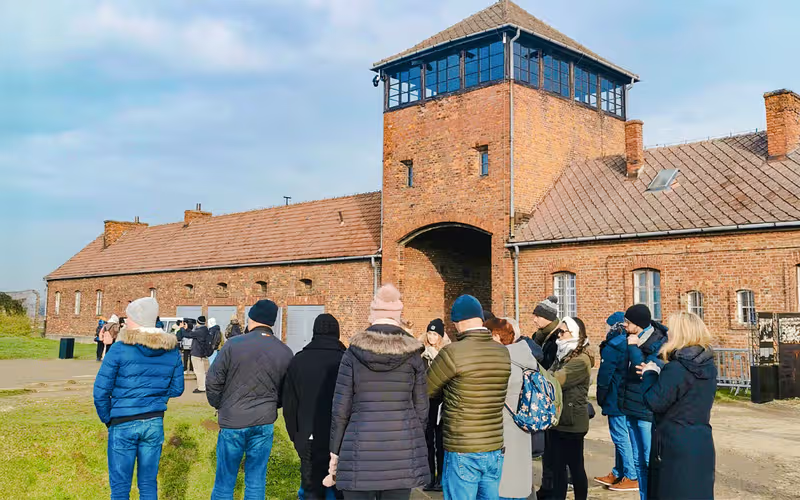
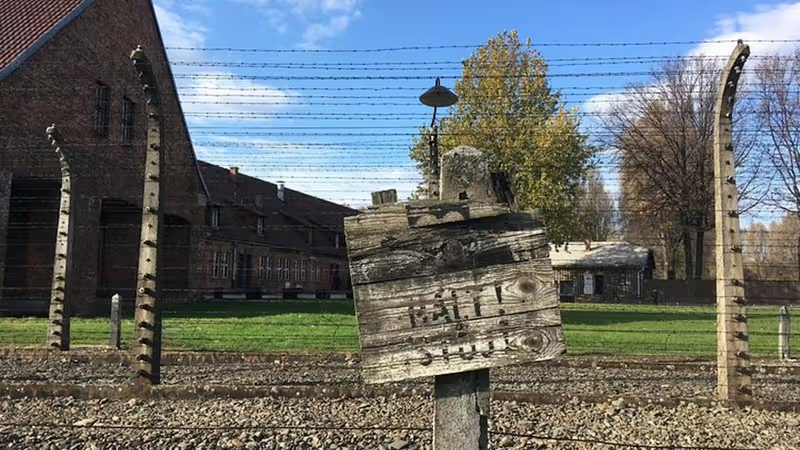
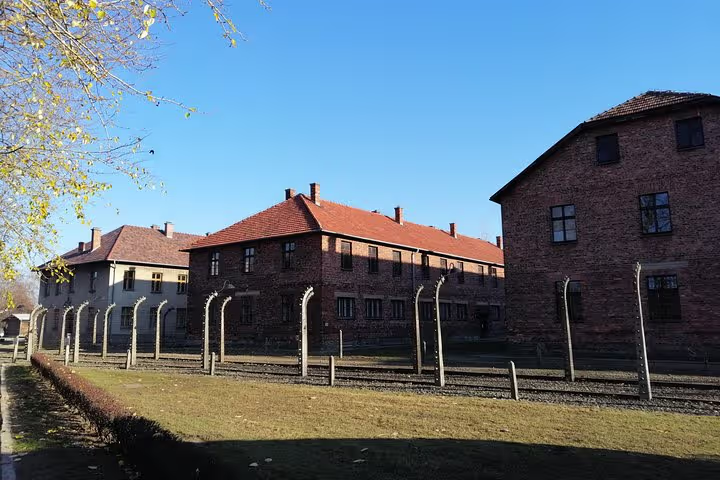
The most common choice for visitors. This tour covers the permanent exhibitions at Auschwitz I and the most important sites at Auschwitz II-Birkenau, including the prisoner barracks, unloading ramp, and ruins of the gas chambers.
Study Tours (6 or 8 hours)
For those seeking a more in-depth experience, these tours cover additional areas of the camps, including selected national exhibitions and the ruins of crematoria IV and V.
Online Guided Tour (2 hours)
A live, educator-led virtual tour of the Memorial. The guide uses multimedia materials, archival photos, and survivor testimonies to explain the history of the site.
Multiple Languages
Tours for individual visitors are available in many languages, including English, Polish, German, French, Italian, Spanish, Czech, and Slovak, depending on the season.
What to Expect on a Tour
All guided tours are led by official, licensed educators of the Auschwitz-Birkenau State Museum. You will be provided with a headset to clearly hear your guide throughout the visit. The tour involves extensive walking, much of it outdoors and on uneven ground, so comfortable footwear is essential.
The 3.5-hour General Tour begins at Auschwitz I, where you will spend approximately 1.5-2 hours. After a short break, a free shuttle bus will take you to Auschwitz II-Birkenau, where the tour continues for another 1-1.5 hours. The experience is emotionally powerful and fact-based, focusing on the authentic site and the stories of the people imprisoned and murdered there.
Guided Tours FAQ
Booking, languages, and logistics